

Termite Control vs Termite Treatment – What's the Difference?
Termite control focuses on prevention while termite treatment eliminates active infestations.
Understanding this distinction helps property owners choose the right approach for their specific situation. Control methods create barriers against future infestations, while treatment methods target existing colonies. Both serve important roles in comprehensive termite management, but timing and application methods differ significantly.

Termite control refers to preventive measures designed to stop infestations before they occur. These methods create protective barriers around properties using liquid termiticides applied to soil surrounding foundations. The chemicals form invisible barriers that termites cannot cross without exposure to lethal doses.
Professional control applications typically last 5-10 years depending on soil conditions and chemical formulations. Modern liquid termiticides like fipronil and imidacloprid provide long-lasting protection by binding to soil particles and remaining active even after dilution from rainfall or irrigation.
Baiting systems represent another control approach. These stations contain cellulose materials treated with slow-acting termiticides placed strategically around property perimeters. Termites consume bait materials and carry toxins back to colonies, eventually eliminating entire populations through delayed action.
Physical barriers including metal shields and sand barriers provide non-chemical control options during construction or renovation projects.
What Is Termite Control?
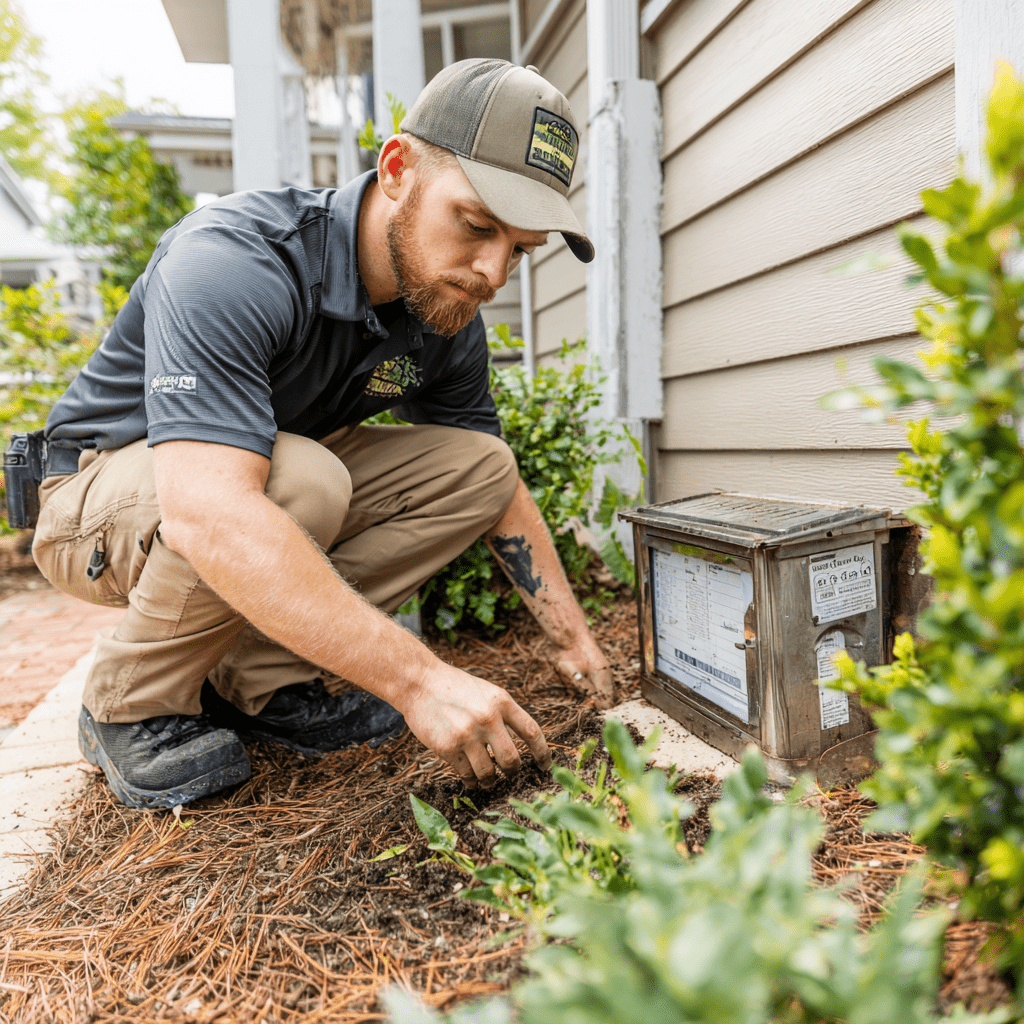
Termite treatment addresses active infestations discovered through inspection or visible damage. Treatment methods focus on immediate colony elimination rather than long-term prevention, though many treatments provide residual protection after initial application.
Direct wood treatment involves injecting termiticides into infested structural elements. Pest control professionals drill small holes into affected beams, joists, or other wooden components and inject concentrated chemicals directly into termite galleries and feeding areas.
Soil treatment around active infestation sites creates treatment zones that eliminate foraging termites and prevent colony expansion. High-concentration applications kill termites on contact while providing barrier protection against reinfestation from adjacent areas.
Fumigation represents the most comprehensive treatment method for severe infestations. This process involves sealing entire structures and introducing gaseous pesticides that penetrate all areas where termites might be present. Fumigation eliminates all life stages including eggs, larvae, and reproductive adults.
What Is Termite Treatment?
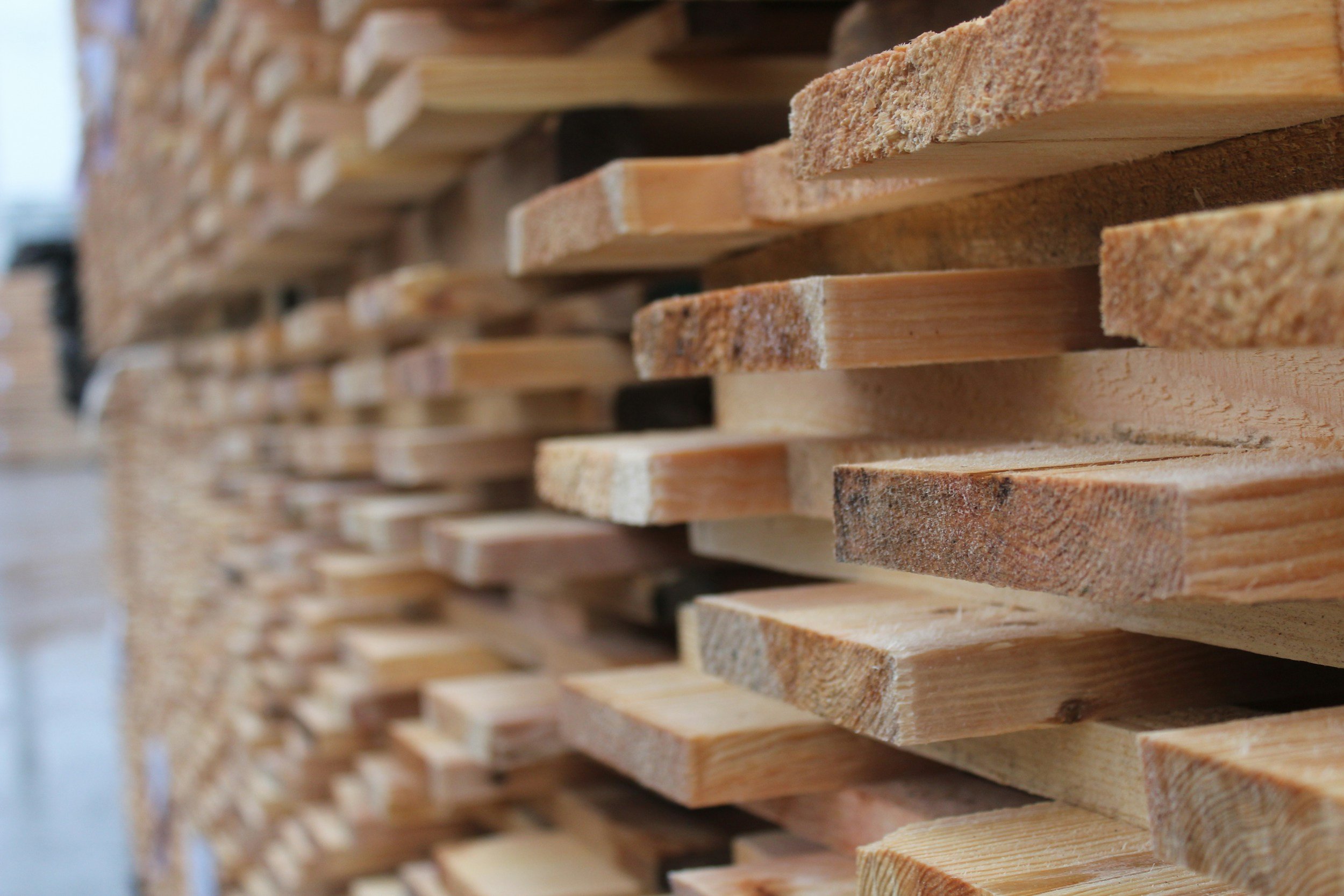
Control applications occur before infestations develop and focus on creating comprehensive protection around entire properties. Technicians apply materials uniformly around foundation perimeters, treating soil to specified depths and concentrations for optimal barrier formation.
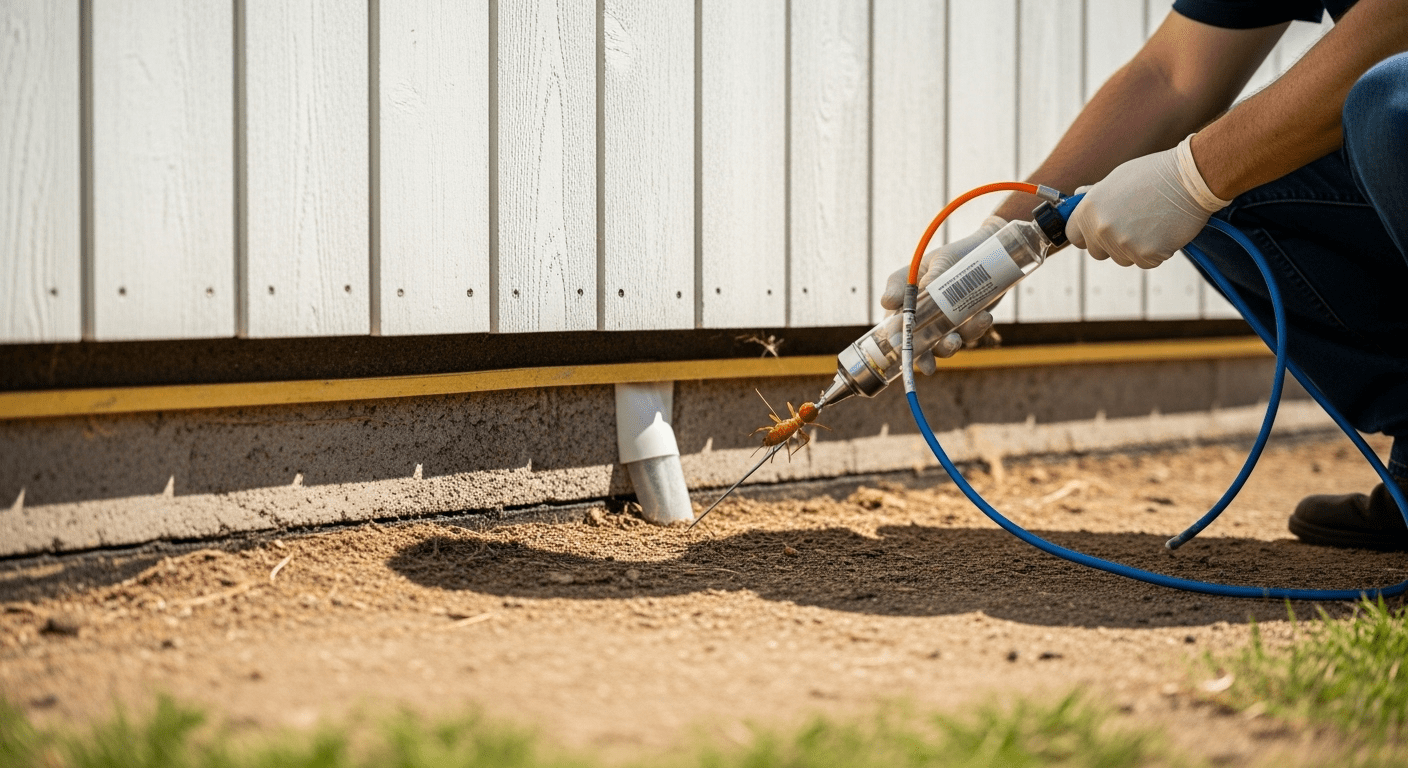
Treatment applications target specific infestation sites identified through professional inspection. Application methods vary based on colony locations, structural access, and infestation severity. Treatments may involve multiple application points and specialized equipment for reaching termite activity areas.
Key Differences in Application Methods
Preventive control typically costs less initially than reactive treatment since applications don't require extensive preparation or specialized procedures. Control methods provide excellent long-term value through continuous protection against multiple infestation attempts over several years.
Treatment costs vary significantly based on infestation severity and chosen methods. Minor infestations may require limited treatment applications costing $1,500-$3,000, while severe infestations needing fumigation can exceed $8,000-$15,000 for large properties.
Combining both approaches often provides optimal protection and value. Initial treatment eliminates existing problems while subsequent control applications prevent future infestations from developing.
Cost Considerations and Long-Term Value
Control methods work best when applied to termite-free properties or immediately following successful treatment of active infestations. Soil conditions, moisture levels, and seasonal timing affect application success and longevity.
Treatment effectiveness depends on accurate identification of all colony locations and complete elimination of reproductive individuals. Partial treatments may provide temporary relief but allow colony recovery and continued structural damage.
Professional assessment determines which approach best suits individual property needs based on current termite activity, structural vulnerability, and environmental factors.
Timing and Effectiveness Factors
Professional vs DIY Approaches
Professional termite control and treatment require specialized training, equipment, and materials not available to homeowners. Licensed pest control operators understand species-specific behaviors, appropriate chemical selections, and application techniques for maximum effectiveness.
DIY products available at retail stores provide limited effectiveness compared to professional-grade materials. Consumer products often lack the concentration and residual activity needed for reliable long-term protection or complete colony elimination.
Professional services include ongoing monitoring, warranty protection, and retreatment when necessary. These benefits provide significant value beyond initial application costs.
Making the Right Choice for Your Property
Properties without current termite activity benefit most from preventive control applications that provide long-term protection against future infestations. New construction offers ideal timing for comprehensive control implementation during building processes.
Properties with confirmed termite activity require immediate treatment to eliminate existing colonies and prevent continued structural damage. Following successful treatment, control applications provide ongoing protection against reinfestation.
Regular professional inspections help determine when control or treatment approaches are needed and ensure optimal timing for maximum effectiveness. Early detection allows for less expensive treatment options while preventing extensive structural damage.

Environmental and Safety Considerations
Modern termite control and treatment methods prioritize environmental safety while maintaining effectiveness. Professional-grade termiticides undergo rigorous testing to ensure minimal impact on non-target organisms including beneficial insects, pets, and humans.
Integrated Pest Management (IPM) approaches combine multiple control strategies to reduce chemical dependency. These methods incorporate monitoring, habitat modification, and targeted applications to achieve long-term termite management with minimal environmental impact. Physical barriers and baiting systems often reduce the need for extensive chemical applications.
Professional applicators follow strict guidelines for chemical handling, application rates, and site preparation to ensure safe and effective results. Proper training and certification requirements help protect both applicators and property occupants from potential exposure risks.
Several indicators suggest the need for professional termite assessment. Mud tubes along foundations, hollow-sounding wood, discarded wings near entry points, or visible wood damage warrant immediate professional evaluation.
Properties in high-risk areas benefit from annual inspections regardless of visible activity. Seasonal swarms of winged insects near your property often indicate established termite colonies in the vicinity that require professional control methods.
Both termite control and treatment serve essential roles in comprehensive pest management. Understanding when to use each approach ensures optimal protection for your property investment while managing costs effectively.
Signs You Need Professional Assessment

St. Louis | Kansas City | Dallas
© 2025 - AEGIS Home Services | All Rights Reserved | Privacy Policy | Terms of Service | About | Contact