

How Often Should I Schedule a Termite Inspection in Shawnee?
Shawnee homeowners should schedule termite inspections annually, with high-risk properties requiring inspections every 6-9 months.
Shawnee's climate and soil conditions create year-round termite pressure that demands consistent monitoring for effective protection. Johnson County's clay-heavy soil retains moisture that Eastern subterranean termites need for survival, while the area's temperature fluctuations drive seasonal swarming activities that can establish new colonies near residential properties.

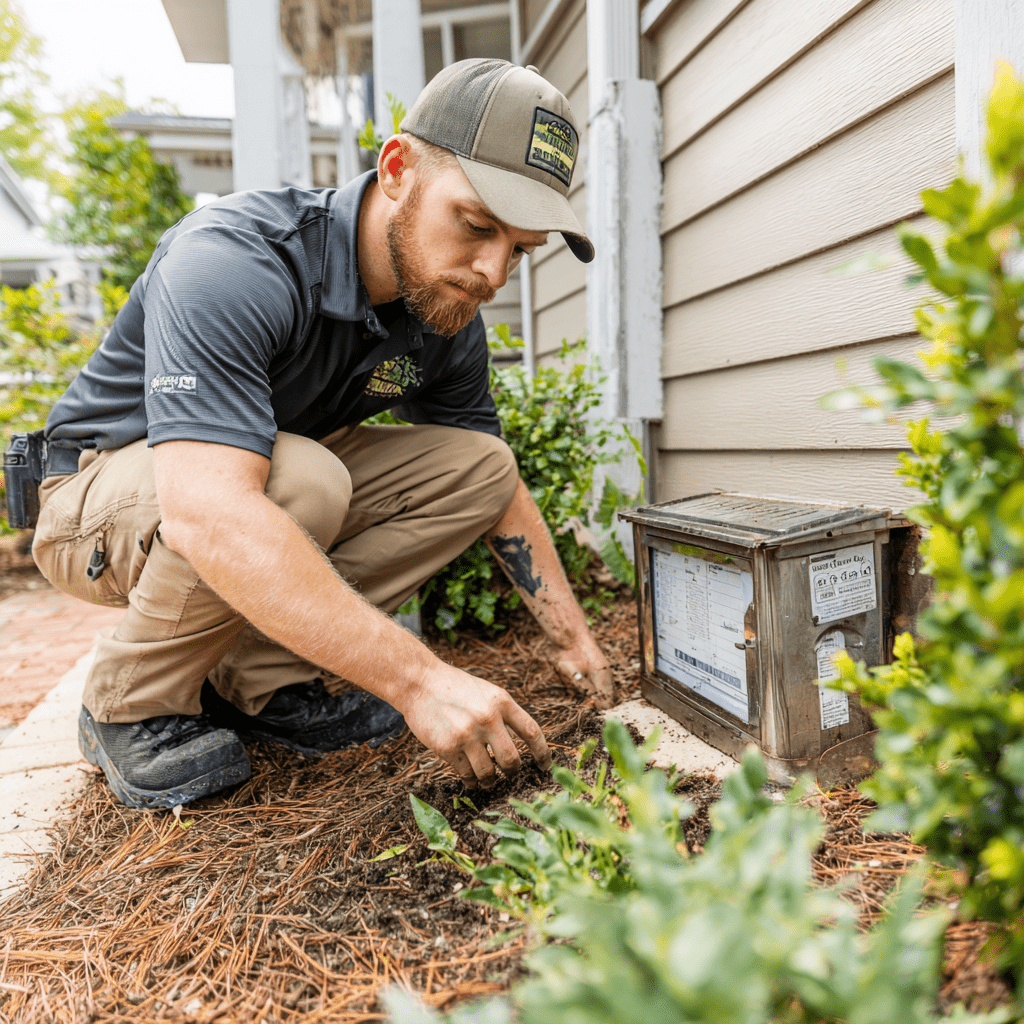
Most Shawnee properties benefit from professional termite inspections conducted once per year. Annual inspections provide sufficient monitoring frequency to detect early infestation signs before significant structural damage occurs.
Spring inspections, typically scheduled between March and May, coincide with peak termite swarming season when reproductive adults establish new colonies. This timing allows early detection of fresh infestations while providing baseline documentation for the upcoming active season. Professional inspectors can identify conducive conditions and recommend preventive measures before termite pressure increases during summer months.
Standard Annual Inspection Schedule
High-Risk Properties Need More Frequent Monitoring
Properties with elevated termite risk factors require inspections every 6-9 months rather than standard annual schedules.
Homes built before 1978 often lack modern termite prevention features like chemical soil barriers or physical foundation treatments. Older construction frequently includes direct wood-to-soil contact points that provide easy termite access to structural elements. These properties benefit from bi-annual inspections that catch problems before extensive damage occurs.
Properties with previous termite history need enhanced monitoring regardless of age. Homes that experienced past infestations may have residual damage or conducive conditions that attract future colonies. Enhanced inspection schedules help ensure treatment effectiveness while identifying new activity areas.
Environmental risk factors also increase inspection frequency needs. Shawnee homes near creeks, wooded areas, or properties with extensive landscaping face higher termite pressure than those in open subdivisions. Mature trees, mulch beds near foundations, and irrigation systems create moisture conditions that support termite populations.

Spring inspections reveal winter termite activity and preparation for swarming season. Professional inspectors identify mud tubes constructed during winter months and assess colony development progress. Early detection allows treatment before reproductive swarms establish satellite colonies around properties.
Fall inspections assess summer activity results and prepare properties for winter termite behavior changes. Inspectors document any new damage discovered during peak feeding season while identifying areas needing attention before termites concentrate near heated structures during cold months.
Properties on annual schedules typically choose spring timing for optimal detection benefits, while high-risk properties schedule both spring and fall inspections for comprehensive monitoring.
Seasonal Timing Considerations
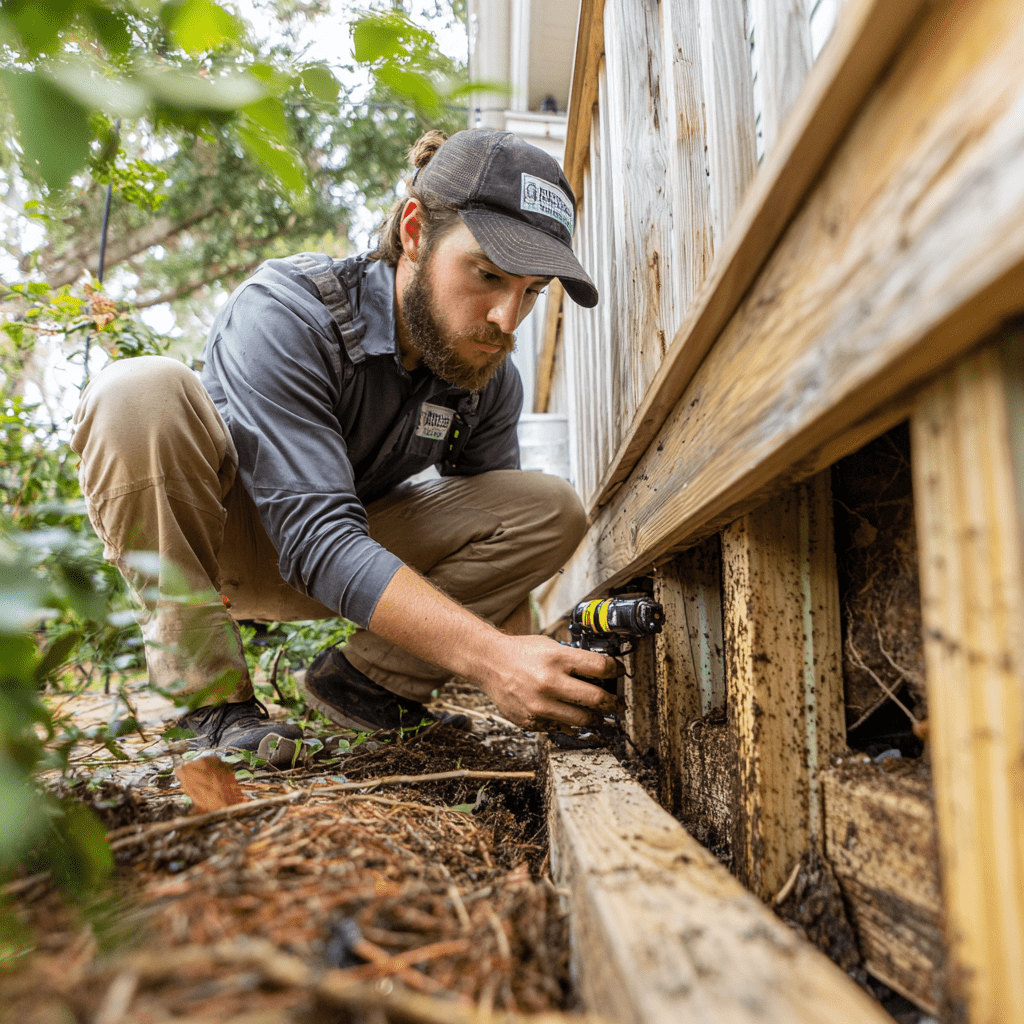
Certain conditions trigger the need for immediate professional evaluation regardless of scheduled timing.
Swarmer wings discovered around windows, doors, or light fixtures indicate active reproductive termite activity nearby. These signs suggest colony maturity and expansion efforts that require immediate assessment to prevent new infestations from becoming established.
New mud tubes appearing on foundation walls signal active termite movement between soil colonies and structural wood sources. Fresh tubes indicate current activity that needs immediate evaluation to determine infestation extent and treatment requirements.
Hollow-sounding wood discovered during routine maintenance suggests possible termite damage requiring professional assessment. Changes in wood structure indicate potential feeding activity that could affect structural integrity if left unaddressed.
Neighbor reports of termite activity increase risk for adjacent properties. Termite colonies often extend across multiple properties, making nearby activity a significant risk factor for surrounding homes.
Signs That Warrant Immediate Inspection
Licensed pest control professionals provide comprehensive evaluations using specialized equipment and training not available to homeowners. Professional inspectors understand termite behavior patterns specific to Johnson County conditions while having access to detection tools like moisture meters and thermal imaging equipment.
Homeowner self-inspections between professional evaluations help identify obvious warning signs but cannot replace professional assessment capabilities. Property owners can check for visible mud tubes, swarmer wings, or obvious wood damage, but hidden infestations often escape detection without professional tools and expertise.
Regular professional inspections provide legal documentation useful for insurance claims, real estate transactions, and warranty protection. Professional reports include photographic evidence and detailed findings that support future treatment decisions or legal requirements.
Professional vs DIY Inspection Approaches
Cost-Benefit Analysis of Regular Inspections
Annual termite inspections in Shawnee typically cost $150-$300 depending on property size and complexity. This investment provides significant protection against repair costs that average $15,000-$45,000 when infestations cause structural damage.
Early detection through regular inspections allows less expensive treatment options compared to addressing advanced infestations. Minor infestations discovered during routine inspections often require $2,000-$5,000 in treatment costs, while delayed detection may necessitate extensive treatments costing $8,000-$15,000 or more.
Regular monitoring also maintains property values by preventing structural damage that affects resale potential. Documented inspection histories provide valuable records for potential buyers while demonstrating responsible property maintenance practices.
Professional inspection reports should be kept for at least 10 years to document property termite history and treatment effectiveness. These records help identify patterns, track treatment success, and provide valuable information for future pest control decisions.
Digital copies stored in multiple locations ensure important documentation remains accessible for insurance claims, real estate transactions, or warranty issues. Many pest control companies maintain client records, but property owners should keep independent copies for their protection.
Inspection records help determine when frequency adjustments might be appropriate based on discovery patterns and risk factor changes over time.
Maintaining Inspection Records

Special Considerations for Shawnee Properties
Johnson County's specific environmental conditions create unique inspection challenges. Properties located near Mill Creek, Turkey Creek, or other water sources require special attention during inspections due to elevated moisture levels that support larger termite populations.
The area's predominant ranch-style architecture features extensive foundation perimeters that require comprehensive inspection coverage. These homes often have multiple entry points, attached garages, and complex foundation configurations that demand systematic evaluation approaches.
Integration with Home Maintenance Schedules
Smart homeowners integrate termite inspections with other annual maintenance activities. Scheduling inspections during spring home maintenance periods allows coordination with gutter cleaning, exterior repairs, and landscaping activities that may reveal termite conducive conditions.
Regular termite inspections provide essential protection for Shawnee properties against one of the area's most destructive pests. Proper scheduling based on risk factors ensures early detection while protecting your home investment effectively.

St. Louis | Kansas City | Dallas
© 2025 - AEGIS Home Services | All Rights Reserved | Privacy Policy | Terms of Service | About | Contact